
The teenage years bring some of the biggest changes the brain and body ever go through,
and anxiety often shows up for the first time right in the middle of them.
Much of our work grows out of a simple idea:
The brain's sensory systems, especially vision and the sense of the body, may be active, early players in anxiety, not just bystanders.

We focus on two
connected areas:
Sensory Brain Development & Anxiety
How does the brain's visual system respond to faces in childhood, and does that change as kids get older?
Are differences in how the brain processes faces connected to how anxious a child is, now and later?
Can we identify early patterns that predict which kids may be more likely to struggle with anxiety down the road?
Puberty, the Body & Mental Health
How does the brain's internal sense of the body change during puberty?
Does a mismatch between a rapidly changing body and the brain's "map" of it relate to physical symptoms of anxiety like racing heart or shortness of breath?
What does this tell us about why anxiety so often intensifies in early adolescence?
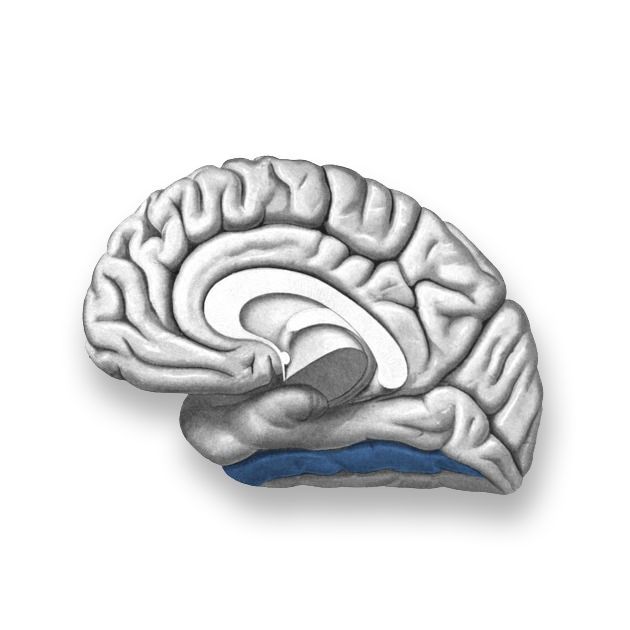
Two parts of the brain sit at the center of our research.
The Brain’s face-recognition area
Lights up when we look at faces. We study how it develops in childhood.
Study: LILAC
Motivation: Faces are one of the first things children learn to "read," and how the brain processes them may be connected to anxiety risk.
Goal: Using brain imaging (fMRI), we're tracking how the brain's face-processing system develops in children ages 8 to 12, with a follow-up scan two years later.
Study: RAISIN
Motivation: Puberty changes the body fast, sometimes faster than the brain's internal sense of the body can keep up with.
Goal: We're using brain imaging to study how teens ages 11 to 15 sense signals from their own bodies during puberty, and whether that mismatch contributes to anxious feelings.
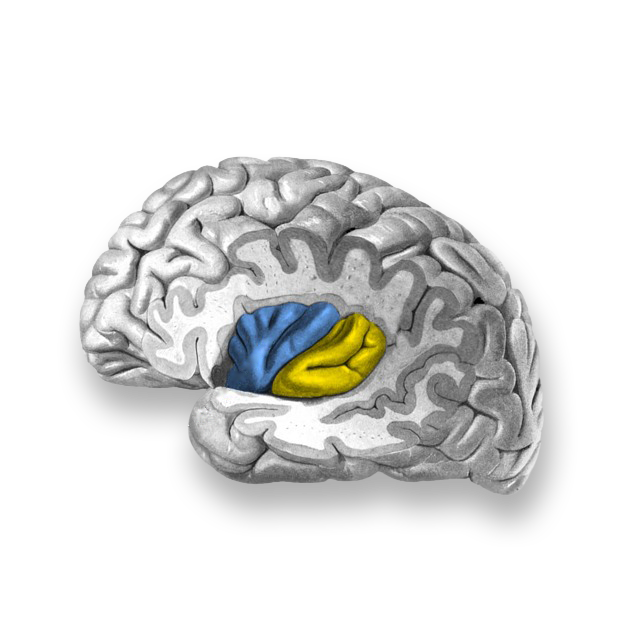
The brain's body-sensing network
Helps the brain sense signals like heartbeat and breathing. We study how puberty changes this.

Every child experiences anxiety differently, and what helps one child may not help the next.
By tracking how the brain's recognizes faces and senses of the body develop alongside anxiety, we're working toward understanding why anxiety takes different forms across teens and kids.
Long term, we hope that understanding leads to support matched to how each child's brain and body respond.